
Parker-Hannifin · Design System Lead (via Exosite) · 2018–2020
One system. Eleven divisions. Zero compromise.
- Problem
- Eleven independent Parker-Hannifin divisions entered IoT, each with its own engineering culture and product line, and no screen-based design foundation a division could adopt without the central design team in the room.
- Solution
- A design system any division can pick up and theme to its own product context without breaking the shared foundation, with opinionated defaults, escape hatches for legitimate exceptions, and a rule of thumb for telling them apart.
- Stack
- A token architecture for color, type, spacing, and motion under a component library, interaction patterns, and accessibility guidelines, delivered as a Figma library, a living docs site, 40 pages of standards, and an engineering handoff package for teams spanning 4 continents.
Parker-Hannifin is a $14B manufacturer with 130 divisions worldwide, each with its own engineering culture and product line. When they entered IoT, they needed a design foundation that could ship across the eleven divisions in the program without a central design team in the room for every decision. I designed Common Core.

11
business units shipping on one design system
The challenge
Eleven independent divisions. Eleven different product lines. Eleven engineering teams who didn't talk to each other. The brief was to create a UX foundation that could be picked up by any of them and adopted without requiring the central design team to babysit. That last constraint is the one that drove every decision.
“A design system that requires a permission slip is a design system nobody uses.”
What we built
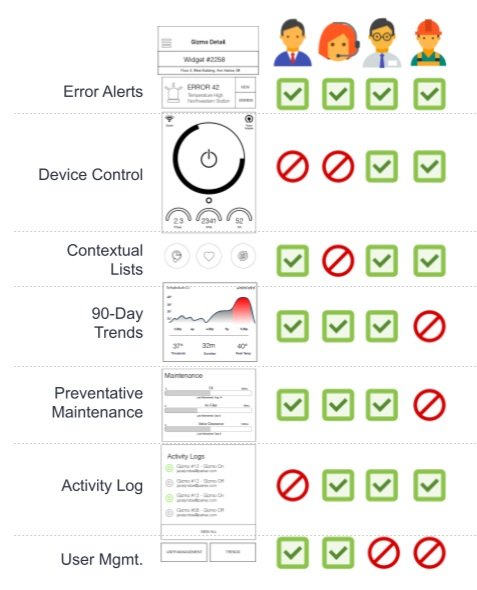
Component library, interaction pattern docs, accessibility guidelines, and a token architecture that let each division theme the system to its own product context without breaking the shared foundation. Delivered as a Figma library, a living docs site, and an engineering handoff package. The token layer was the load-bearing piece. Color, type, spacing, motion. Get those right and the rest follows.
The 40 pages
Forty pages sounds like a lot until you try to cover component anatomy, accessibility, motion principles, white-label theming rules, content guidelines, and developer integration across 11 different product contexts. Then it sounds like the minimum. Each page was opinionated. Default behavior, escape hatches for legitimate exceptions, and the rule of thumb for telling them apart.
Adoption
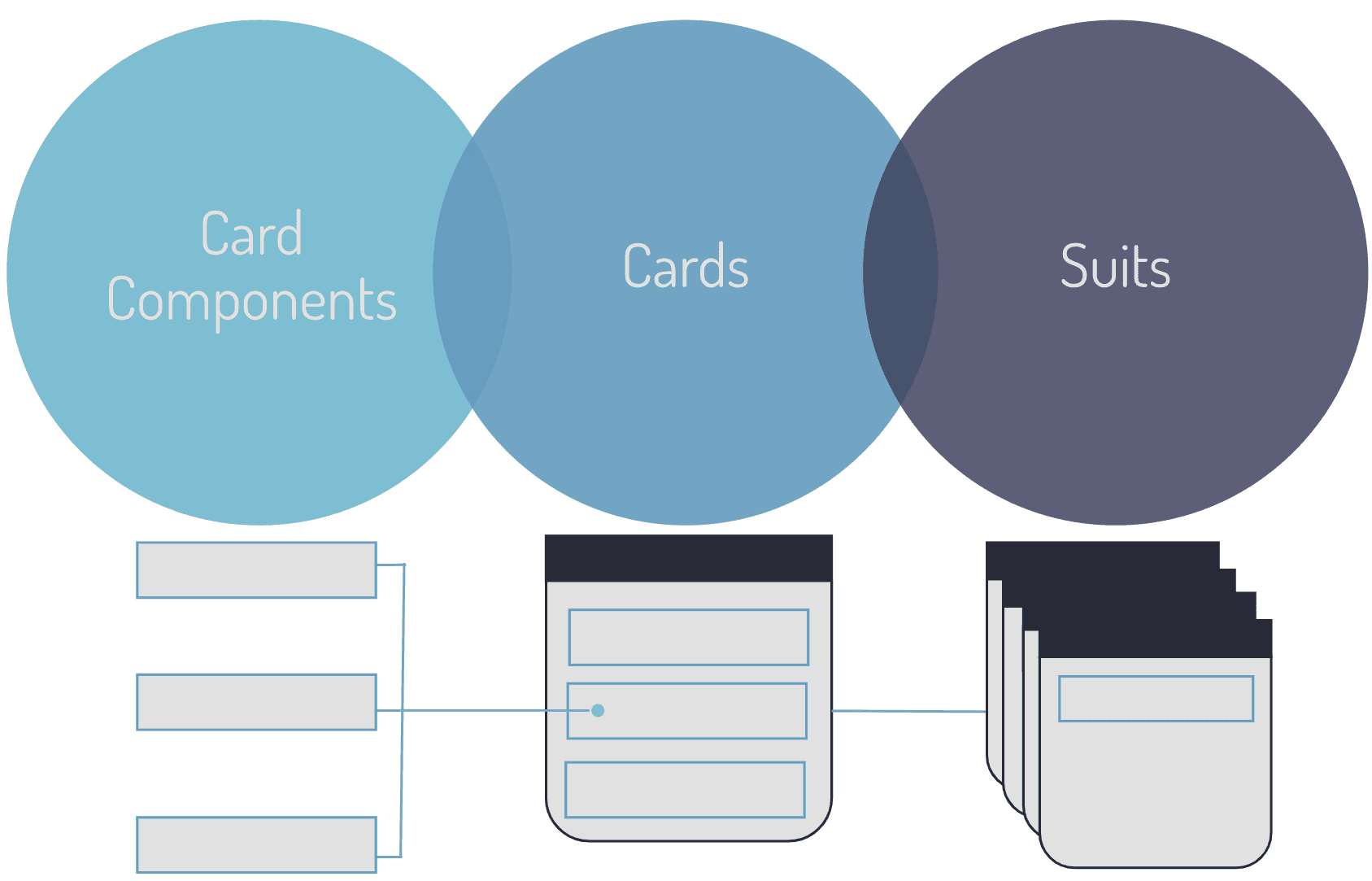
The system became the foundation for every ExoSense white-label deployment across the Parker account. Engineers building for any of the 11 divisions worked from the same component set. The design surface area collapsed. Cross-division consistency stopped being a meeting and started being a default. Central design oversight became unnecessary, which is the highest compliment a system can earn.
Next case study
Sovos (formerly Convey)
TaxPort AP. Tax Compliance SaaS